Renal Function Test (RFT): Why Kidney Health Testing is Essential for Long-Term Wellness
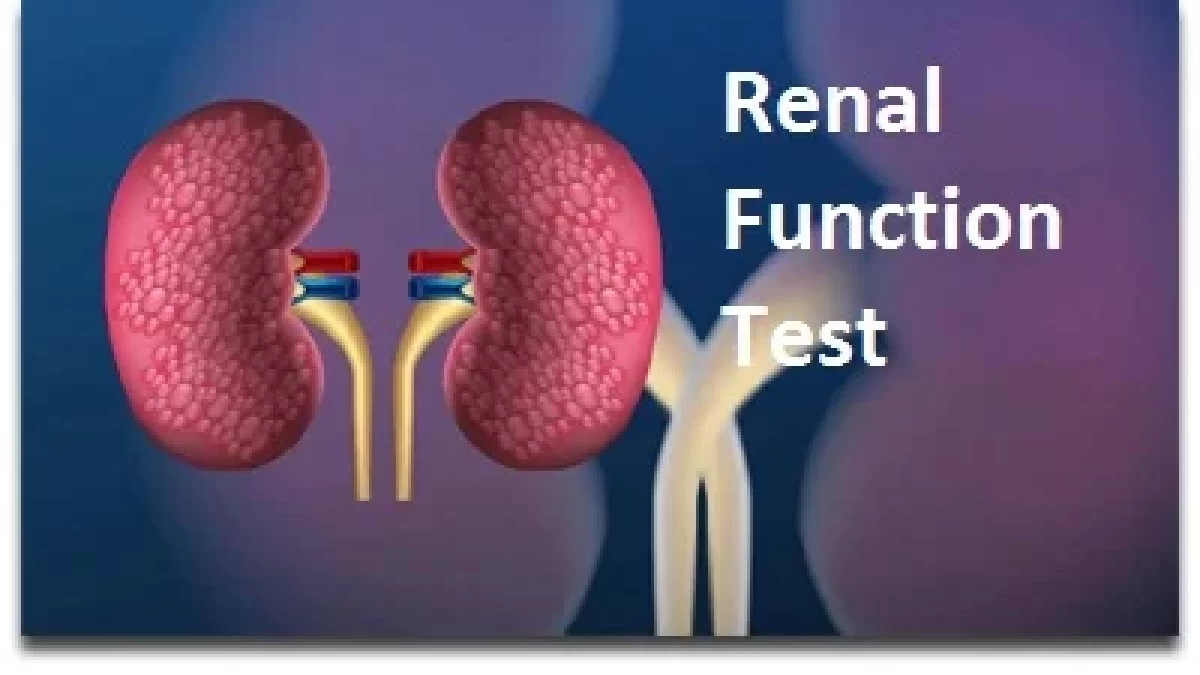
A Renal Function Test (RFT) helps evaluate how well your kidneys are working by checking creatinine, urea, electrolytes, and eGFR levels. Early testing can detect kidney disease, prevent complications, and protect long-term health—especially for diabetic and BP patients
Introduction
Our kidneys are among the most important organs in the body, yet they are often the most neglected. Every single day, your kidneys filter nearly 150–180 liters of blood, remove waste products, balance fluids, regulate electrolytes, control blood pressure, and help maintain overall body stability.
Despite doing so much work, kidney problems usually develop silently. In the early stages, there may be no noticeable symptoms. Many people only discover kidney issues when the condition has already progressed to a serious stage.
This is why a Renal Function Test (RFT) is extremely important. It helps detect kidney problems early, monitor ongoing conditions like diabetes or high blood pressure, and prevent severe complications such as chronic kidney disease (CKD) or kidney failure.
Preventive testing today can protect you from major health challenges tomorrow.
What is a Renal Function Test (RFT)?
A Renal Function Test (RFT) is a group of blood and sometimes urine tests used to evaluate how well your kidneys are working.
Your kidneys perform several vital functions:
Remove waste and toxins from blood
Maintain fluid balance
Regulate sodium, potassium, and other electrolytes
Help control blood pressure
Support red blood cell production
Maintain acid-base balance
If kidney function reduces, waste products build up in the body, which can affect the heart, brain, and overall health.
Tests Included in Renal Function Test (RFT)
1. Blood Tests
Serum Creatinine
A waste product from muscle metabolism.
High levels may indicate kidney damage.
One of the most important kidney markers.
Blood Urea / BUN
Formed after protein breakdown.
Elevated levels may suggest kidney dysfunction.
Can also rise in dehydration.
Uric Acid
High levels may be linked to kidney issues or gout.
Electrolytes
Sodium (Na⁺) – Maintains fluid balance
Potassium (K⁺) – Essential for heart rhythm
Chloride (Cl⁻) – Maintains pH balance
Estimated GFR (eGFR)
Estimates filtration efficiency of kidneys.
Low eGFR indicates CKD or acute kidney injury.
2. Urine Tests (Sometimes Included)
Urine Creatinine
Urine Protein / Albumin
Urine Routine Examination
Protein in urine is often the earliest sign of kidney damage.
What Do RFT Results Indicate?
High Creatinine / Urea
May indicate:
Kidney damage
Dehydration
Urinary blockage
Severe infection
Low eGFR
May indicate:
Chronic Kidney Disease (CKD)
Acute Kidney Injury (AKI)
High Potassium
Kidney failure risk
Can cause dangerous heart rhythm problems
Protein in Urine
Early kidney damage
Diabetes-related kidney disease
When is RFT Recommended?
Doctors recommend RFT to:
Check kidney health
Diagnose kidney disease
Monitor diabetes & high BP
Monitor dialysis patients
Assess long-term medicine effects
Before surgery
Before contrast CT scans
What is the Purpose of Renal Function Test?
Detect kidney disease early
Track progression
Monitor treatment response
Prevent complications like:
Fluid overload
Electrolyte imbalance
Heart complications
Preparation for RFT:-
Before the Test
Usually no fasting required
Drink normal water
Inform doctor about:
BP medicines
Painkillers
Diabetes drugs
Avoid heavy exercise 24 hrs before
Avoid
Alcohol (24 hrs before)
Excess protein intake
Dehydration
Who Should Get RFT Regularly?
Diabetic patients
High BP patients
Elderly people
Patients on long-term medication
Family history of kidney disease
Heart patients
Annual screening is highly recommended for high-risk individuals.
What to Eat for Healthy Kidneys?
Kidney health is not just about testing—it’s also about lifestyle and diet.
Here’s what supports kidney health:
1. Stay Hydrated
Drink adequate water unless your doctor advises restriction.
2. Eat Low-Sodium Foods
Excess salt increases BP and kidney strain.
Choose:
Fresh vegetables
Fruits
Home-cooked meals
Avoid:Processed foods
Packaged snacks
Pickles & high-salt foods
3. Moderate Protein Intake
Too much protein increases kidney workload.
Opt for balanced protein:
Dal
Eggs
Lean chicken (in moderation)
4. Control Sugar Intake
High blood sugar damages kidney filters.
Limit:
Sugary drinks
Sweets
Refined carbs
5. Include Kidney-Friendly Foods
Apples
Berries
Cabbage
Garlic
Olive oil
Whole grains
6. Avoid Excess Painkillers
Frequent NSAID use can harm kidneys.
Diet + regular RFT testing = strong kidney protection.
Early Warning Signs of Kidney Problems:-
Swelling in legs
Foamy urine
Reduced urine output
Persistent fatigue
Loss of appetite
Muscle cramps
High blood pressure
If you notice these symptoms, consult a doctor immediately.
Importance of Early Diagnosis:-
Kidney disease progresses quietly.
Early testing helps:
Prevent dialysis
Avoid hospitalization
Improve quality of life
Reduce heart risk
Preventive healthcare always costs less than emergency treatment.
Conclusion:-
A Renal Function Test (RFT) is a powerful preventive tool to protect your kidney health. Since kidney diseases often show no early symptoms, regular testing becomes extremely important—especially for diabetic, hypertensive, or elderly individuals.
Healthy kidneys mean:
Better heart health
Balanced electrolytes
Proper toxin removal
Stable blood pressure
Strong overall well-being
Test regularly.
Eat smart.
Stay hydrated.
Protect your kidneys before problems begin.
Your kidneys work silently for you — give them the attention they deserve.
Book Your Renal Function Test Today
Don’t wait for symptoms.
Protect your kidneys with early screening.
📞 Call / WhatsApp: +91 9413344915
🌐 Website: www.biochem360diagnostic.com
📍 Jaipur Center:
Biochem360 Diagnostic Center
38, Vishveshvariya Nagar, Triveni Nagar,
Jaipur, Rajasthan – 302018
📍 Bharatpur Center:
Biochem360 Diagnostic Center
A-36, Bhagat Singh Chauraha,
Near Shanti Medical Store, Jawahar Nagar,
Bharatpur, Rajasthan – 321001
Powered by Froala Editor